
 By admin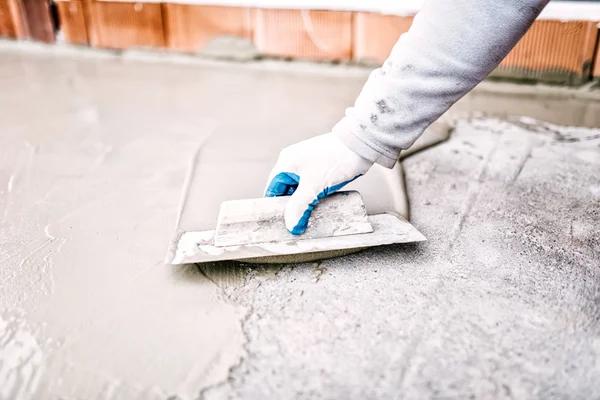
Waterproofing a basement is an essential task for homeowners who wish to maintain the integrity of their homes and prevent water damage. For DIY enthusiasts, tackling this project may seem daunting, but with a systematic approach, it can be accomplished effectively. The process begins with understanding the root cause of moisture ingress and then implementing appropriate measures to create a dry and healthy space.
The first step in basement waterproofing is conducting a thorough inspection. Examine both the interior and exterior of your home for any signs of water intrusion or potential problem areas. Look for cracks in walls or floors, mold growth, damp spots, or efflorescence—a white powdery substance that indicates moisture seepage through concrete. Identifying these issues early on will guide you in determining the necessary interventions.
basement waterproofing
Once you’ve identified problem areas, focus on repairing any visible cracks or gaps in the foundation walls or floor. Use hydraulic cement to fill larger cracks; it’s designed to expand as it cures, creating a watertight seal. For smaller hairline cracks, apply masonry crack filler using a putty knife for precision.
Next comes addressing drainage around your home’s perimeter. Ensure gutters are clean and downspouts direct rainwater at least five feet away from the foundation explore this company to prevent pooling near your basement walls. Consider installing extensions if necessary. Additionally, grading around your home should slope away from the foundation to facilitate proper drainage.
Interior waterproofing solutions involve applying sealants specifically designed for basements on walls and floors after repairs have been made. These products create an impermeable barrier against moisture penetration while allowing surfaces to breathe naturally without trapping humidity inside them.
Firm Foundation Repair
Joplin, MO 64804
417-540-7034